
Lilburn, Georgia
Heating and Air Conditioning in Lilburn, GA, Built Around Your House
Replacement air conditioners and heat pumps chosen by the numbers for your rooms and ductwork, plus repairs and tune-ups for whatever you already own. Even temperatures, upstairs and down.
Baked into every job
Load math, not guesswork
Equipment picked from your rooms, windows and ducts. Not from the sticker on the old unit.
The number up front
What it costs is said out loud before work begins.
Seven days on the schedule
Daytime crews run every day, weekends included.
Wiped-down job sites
Runners on the carpet, old metal hauled to our trailer.
Emergency calls, any hour
Equipment quits at night? The emergency line still answers.
What Our Lilburn Crew Takes Care Of
New equipment is our favorite work. Getting the size right, running clean line sets, starting it up and watching the numbers settle. But we fix, tune and rescue existing systems every day too. Here is the lineup.
AC Repair
Breathing room-temperature air? Frosty suction line? Gurgling or a drip by the furnace closet? We meter the thing, find what died, swap it and confirm the house is pulling down again.
AC Installation & Replacement
Our specialty. A load calculation for your actual house, ductwork checked for size and leaks, an outdoor unit and coil that belong together, permit filed, startup readings logged and the old condenser hauled off.
Heating & Furnace Repair
Igniter glowing but no flame. Burners lighting, then dropping out. Blower pushing chilly air. Gas or electric, we track the startup sequence until the failure gives itself away, then correct it.
Heat Pump Services
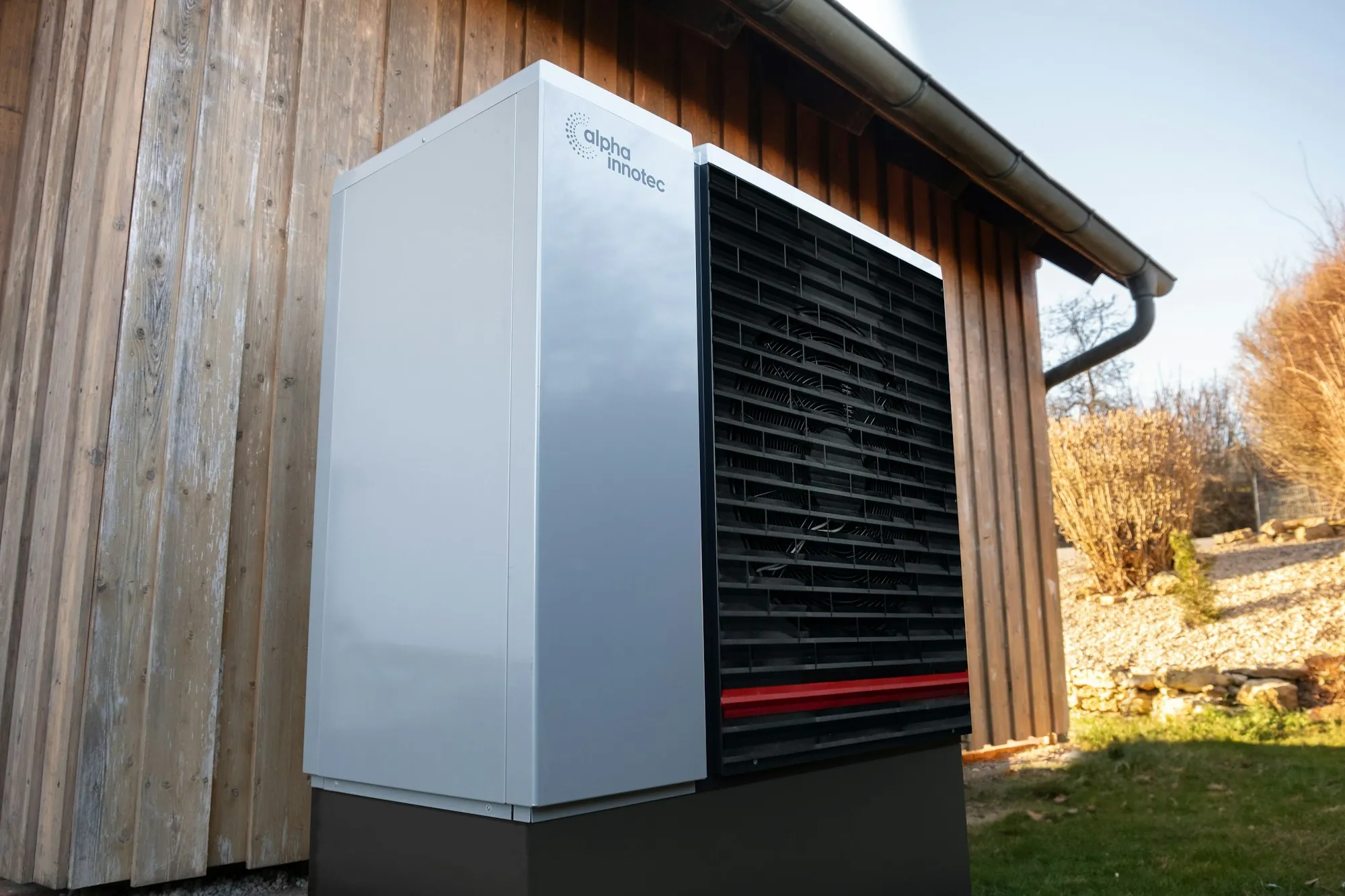
Repairs, replacements and first-time installs for the all-season outdoor unit. We size it so the aux heat stays in reserve instead of carrying winter, and we set up dual-fuel pairings with gas furnaces.
HVAC Maintenance
Checkups ahead of summer and ahead of winter. Coils rinsed, condensate cleared, contacts tightened, refrigerant and airflow measured, flame and safeties tested. You keep a written copy of every number.
Emergency HVAC Repair
Midsummer and the AC dies. January and the furnace goes cold. Water dripping from the ceiling, a hot plastic smell. Ring the emergency line at any hour; a person picks up and a tech heads your way.
Commercial HVAC
Small offices, retail strips, kitchens, congregations and light manufacturing. Rooftop packages and split equipment serviced on your schedule, with replacements planned before they turn into emergencies.
How a Job Moves, Start to Finish
The phone call
Tell us what is happening and how old the equipment is, roughly. Strange noise? Drip? Rooms that never catch up? Every detail helps us show up with the right parts.
Eyes and instruments on it
A technician checks the equipment top to bottom and takes real readings. For a replacement, that includes measuring the house and inspecting the ducts.
Options, priced
Repair versus replace, laid out side by side. For new equipment, a couple of sizes or efficiency levels, each with its price and its tradeoffs.
The work itself
Runners down, furniture protected, parts swapped or the new system set. Line sets brazed and purged, drains pitched, wiring tidy.
Startup and proof
We run cooling and heating, read pressures and temperatures, test every safety and check that the air leaving each register makes sense.
The handoff
We show you around the work, explain how to register the new equipment if there is any, and share a couple of habits worth keeping.
Why Lilburn Families and Businesses Pick Us
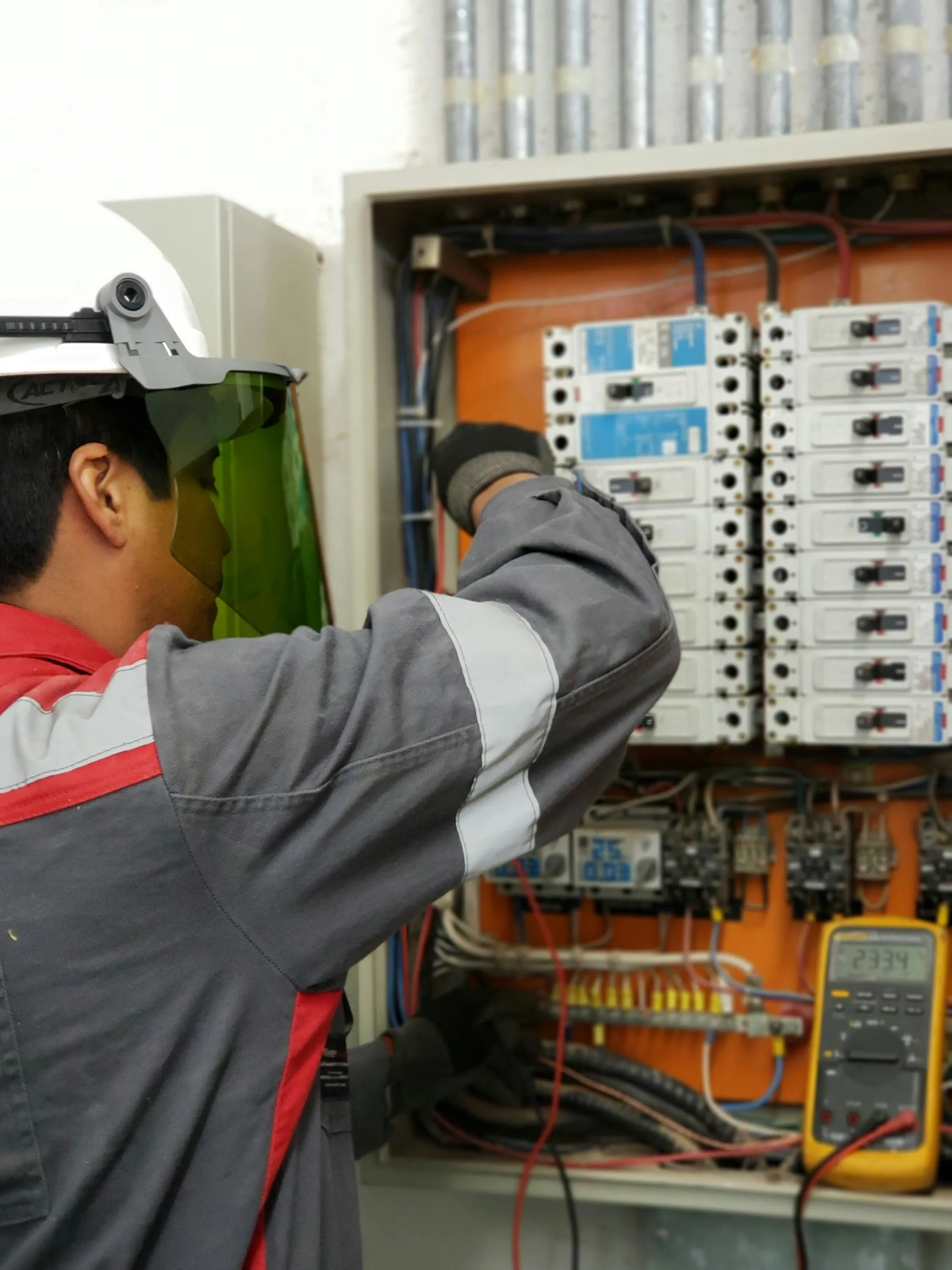
Four things we refuse to cut corners on. They are the same whether we are installing a whole new system or swapping one capacitor.
We clean up like guests
Runners from the door to the equipment. Furniture covered. Old units, scrap copper and boxes loaded onto our trailer. The closet looks better than when we arrived.
Someone answers in the dead of night
Breakdowns keep their own hours. A person staffs our emergency line all night long, ready to help you get safe and get a tech moving.
Checkups that actually find things
Each maintenance visit follows a written checklist and records real measurements. Worn capacitors, slow drains and dirty coils get caught while they are still cheap.
Your house, your storefront
The same crew that handles your home system can look after the rooftop units at your shop or office. One number for both.
Lilburn, Gwinnett and the Towns Next Door
Lilburn sits in southern Gwinnett County, strung along US-29 with Old Town and its rail line on Main Street, Killian Hill Road running north and Rockbridge Road heading toward Stone Mountain. Plenty of homes here went up in the 1970s and 1980s, and many are on their second or third set of equipment, sometimes sized by copying whatever was there before. Newer two-story builds bring their own challenge: one system working for two floors. We cover all of Lilburn and the surrounding area: Snellville, Lawrenceville, Tucker, Stone Mountain, Norcross, Duluth, Grayson, Loganville, Mountain Park and Peachtree Corners.
Ranches, split-levels and two-stories
Each layout moves air differently. We size equipment and check ducts for the floor plan you actually have, not a rule of thumb.
Older ducts, newer equipment
A high-efficiency unit on tired, leaky ductwork wastes much of its promise. We look at both before recommending anything.
One crew for the whole area
Snellville, Tucker, Grayson or right here in town, (770) 762-2574 gets you the same installers and the same cleanup.
Our service towns
- LilburnUS-29 & Main StreetHome base
- SnellvilleUS-78 & Scenic Highway
- LawrencevilleUS-29 & GA-20
- TuckerLawrenceville Highway & I-285
- Stone MountainMemorial Drive & US-78
- NorcrossBuford Highway & Jimmy Carter Boulevard
- DuluthPleasant Hill Road
- GraysonGA-20
- LoganvilleUS-78 & GA-20
- Peachtree CornersPeachtree Parkway
Not seeing your town? Odds are we still drive past it. Ask.
Check whether we cover you: (770) 762-2574Right-Sized Equipment Feels Different
Steady temperatures. Drier air in July. A unit that runs long, quiet cycles instead of slamming on and off. That is what fitting the system to the house buys you.
Get a sizing visit on the books: (770) 762-2574Real numbers, no hard sell.
Straight Answers for Lilburn Homeowners
The questions we field most, answered short.
Can a refrigerant leak actually be repaired?
Often, yes. Refrigerant is not consumed like fuel; it cycles in a closed circuit, so low pressure points to an escape route, usually a coil, a brazed joint, a valve core or the copper lines. We find it, fix it, evacuate the system and charge it to the factory specification. If the leak sits in an old, corroded coil, you get both prices, mending it and replacing the equipment, laid out together.
What is SEER2, and is a bigger number worth it?
Think of SEER2 as miles per gallon for cooling: the cooling delivered per unit of electricity, tested under newer rules that account for real-world duct resistance. Bigger numbers usually come with variable-speed compressors and fans, which also pull more moisture out of the air. Whether stepping up pays off depends on how long you will own the house and how hard summer works the system, and above all on sizing and install quality. A premium unit sized wrong squanders most of its edge.
How many tune-ups a year does a heating and air system need?
Plan on two visits per year: one before cooling season for the AC side and one before heating season for the furnace or heat strips. Heat pumps work both seasons, so skipping either visit hurts more. In between, check the filter monthly and keep shrubs, leaves and grass clippings away from the outdoor unit.
My furnace is running but the air is cold. What gives?
Look at the thermostat first: a fan switch set to on will circulate unheated air between heat cycles. If the setting is fine, the burners may not be lighting, or they light and drop out because of a dirty flame sensor, a failing igniter, a tripped limit switch or a clogged filter. With a heat pump, short spells of cooler air during defrost are expected.
What does a repair or a new system cost?
It depends on what failed, how easy it is to reach and, for replacements, the size, type and efficiency of the equipment plus any duct, electrical or permit work. That is why we diagnose or measure first and give a firm price before anything starts. No guessing on the phone, no surprise lines on the invoice.
Where is the water under my indoor unit coming from?
Air conditioners pull moisture out of the air, and that water has to drain away. When the condensate line clogs with algae or debris, the pan overflows; a cracked pan, a disconnected line or a frozen coil that melts all at once can do the same. Turn the system off to limit damage and call us to clear the line, test the float switch and find what caused it.
There is a gas or burning smell by the furnace. What should I do?
For gas, act immediately: leave every switch and the thermostat alone, take everyone outside, then let the gas utility or 911 know from a safe spot. A faint dusty odor during the season's first heating cycle is normal and fades. A hot wiring or melting plastic smell is not, so kill power at the thermostat and the breaker and reach our emergency line.
The AC is running nonstop and the house will not cool. Why?
Usual suspects: a clogged filter or iced coil starving airflow, a grimy condenser coil, a dead condenser fan motor or run capacitor, a refrigerant leak, or equipment too small for the house. Confirm the thermostat setting, look at the filter and listen for the outdoor unit. Still warm inside? Power it down so any ice can melt, then ring us.
Installers Who Care What Happens After Startup
HVAC Lilburn is a crew that likes doing installs the slow, right way. Measure the house. Look at the ducts. Pick equipment that fits. Then fix, tune and look after it for years. Homeowners and business owners both get that approach, along with a clean house and a straight price.
Meet the crew

Comfort That Fits the House You Live In
Thinking about a new system, or just need the old one fixed? Give the crew a ring. We will listen, take a look and give you a real answer with a real price.
Covering Lilburn and nearby Gwinnett and DeKalb communities.